Parkside Secure Locksmith Service Team
Local locksmith team
Sep 17, 2026 12 min read
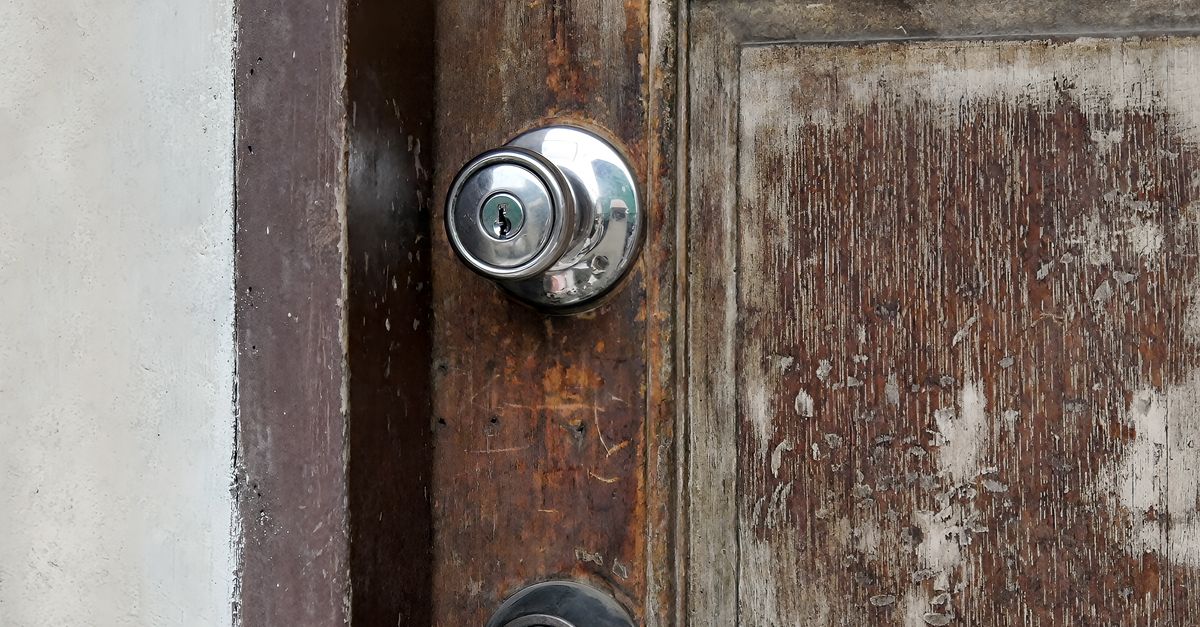
If your Etobicoke home was built before 1980 — think the brick semi-detacheds along The Kingsway, the post-war bungalows near Rathburn Road, or the older two-storeys off Kipling Avenue — there is a good chance your front door is hiding a mortise lock inside the door slab itself. Most homeowners only discover this when something goes wrong: the lever feels loose, the key turns but the bolt sticks, or they get locked out entirely and realize a standard hardware-store deadbolt is nowhere close to a drop-in replacement.
Understanding whether your door uses a mortise lock set or a cylindrical lock is the first practical step before any repair, upgrade, or replacement. Get it wrong and you end up with a mis-sized hole, a door that will not close properly, or a lock that simply does not fit the older solid-wood door frames common throughout western Etobicoke. This guide walks you through exactly how to tell the difference, what your real options are, and when it makes sense to call a professional locksmith rather than attempt a swap on your own.
## What Is a Mortise Lock — and Why Older Etobicoke Doors Use Them
A mortise lock is a lock mechanism that lives inside a pocket — called a mortise — that is cut directly into the edge of the door itself. Rather than sitting on the surface of the door like a modern tubular deadbolt, the entire lock body is recessed into the wood. From the outside you typically see a decorative plate (the escutcheon), a door knob or lever, and a keyhole. From the edge of the door you will see a large, rectangular faceplate — usually two to four inches tall — instead of the small round latch faceplate you find on a cylindrical lock. This larger footprint is the single clearest sign you have a mortise lock set, not a standard bore.
Etobicoke's older housing stock — much of it built between the 1920s and the 1960s — was constructed during an era when mortise locks were the North American standard for exterior doors. Builders and carpenters of that period routed the pocket by hand or with early power tools, fitted a heavy cast-iron or brass lock body, and expected it to last decades. Many of them have. If you live in one of the mature neighbourhoods between Bloor Street West and Burnhamthorpe, or in the older sections of Rexdale and Islington Village, your door almost certainly has a routed mortise pocket even if the lock hardware has been changed once or twice since the house was built.
## How to Tell If You Have a Mortise Lock (A Practical Three-Step Check)
Start at the edge of the door — the narrow strip you see when the door is open. A mortise lock will have a tall, rectangular faceplate (often two and a half to four inches in height) that covers the full face of the lock body. A cylindrical lock, by contrast, has a small round or square latch faceplate that is usually no taller than one inch. Next, look at the interior side of the door near the handle: a mortise lock set typically has a long, flat backplate connecting the knob or lever to a separate thumbturn or keyhole below it, rather than the single round rose plate you see on a knob-and-deadbolt combination. Finally, measure the door thickness if you are unsure — mortise locks generally require a door at least one and three-quarter inches thick, and the pocket itself may be an inch or more deep into the door edge. If all three signs point to a deep pocket, a tall faceplate, and a long backplate, you are dealing with a mortise lock.
One more quick check: look at the strike plate on the door frame. A mortise lock uses a large, box-shaped strike — sometimes called a keeper — that captures both the latch bolt and the deadbolt in one housing. Standard cylindrical locks use two separate, much smaller strikes. If you see a single large metal box mortised into the frame, that confirms what you already suspected. At this point, do not try to swap hardware until you know the exact lock body dimensions, because mortise lock sets are not one-size-fits-all and older Canadian homes often used non-standard pocket depths from brands like Corbin Russwin, Sargent, or other mid-century manufacturers.
## Mortise Lock Replacement Options for Older Homes — What Actually Fits
Once you have confirmed you have a mortise lock, you have three practical paths forward. The first is a like-for-like mortise replacement: source a modern mortise lock set with the same backset (distance from door edge to spindle center) and the same or close case dimensions as your existing unit, drop it into the existing pocket, and swap the trim. Brands like Baldwin make mortise lock sets designed for residential exterior doors, and a trained locksmith can often retrofit a contemporary mortise lock body into an older pocket with minimal wood modification. This is usually the cleanest solution for a solid antique door you want to preserve.
The second path is converting to a cylindrical lock — which means either filling the old mortise pocket with a wood insert and boring new holes, or using a mortise-to-cylindrical conversion kit. This works but it permanently alters a door that may be irreplaceable, and on doors over sixty years old the wood around the original pocket can be fragile. The third option, increasingly popular in Etobicoke homes that have been renovated, is a smart mortise lock. Several manufacturers now produce smart lock bodies in a mortise format, meaning you can add keypad or app-based entry without touching the original door pocket. The mortise lock cylinder inside is still present as a backup, which is reassuring for homeowners who want modern convenience without giving up mechanical reliability. Whichever route you choose, the cost will depend on the lock model, whether custom fitting or wood repair is required, the hardware finish you select, and whether the work falls during regular hours or after-hours. At Parkside Secure Locksmith we confirm an exact up-front price before any work begins so there are no surprises.
## When a Lockout Reveals a Bigger Problem — Emergency Locksmith Help for Mortise Issues
A mortise lock that suddenly refuses to open is one of the more stressful lockout scenarios because the failure mode is less obvious than a broken key in a standard deadbolt. The internal cam mechanism can fatigue after decades of use, the mortise lock cylinder can seize if it has not been lubricated, or the tailpiece connecting the cylinder to the lock body can snap — leaving the key turning freely with no effect on the bolt. In any of these situations, the right move is to check whether any other door or window is unlocked before doing anything else, locate a spare key if one exists with a neighbour or family member, and then call a professional if neither option solves the problem. Attempting to force or tamper with a mortise lock on your own risks splitting the door edge or damaging the pocket, which turns a lockout into a much more expensive carpentry repair.
As a 24/7 mobile emergency locksmith serving Etobicoke, our team at Parkside Secure Locksmith regularly handles calls from homeowners dealing with failed mortise hardware — late at night, on weekends, and during the kind of bitter January nights that make a frozen lock even more likely to seize. We carry a range of mortise lock bodies and cylinders in our mobile units specifically because older Etobicoke homes need them. If you are locked out right now, call 437-367-8283 and we will dispatch a skilled technician to your address, confirm the up-front price on arrival, and get you back inside without unnecessary damage to your door.
## Beyond the Front Door — Mortise Locks, Door Knob Locks, and Commercial Locksmith Services We Offer in Etobicoke
Mortise lock service is a core part of what we do, but Parkside Secure Locksmith covers the full range of residential, automotive, and commercial locksmith needs across the Etobicoke area. Whether you need a door knob lock replaced on an interior room, a high-security deadbolt installed on a back door, or a full commercial locksmith consultation for a small business on Islington Avenue or near the Etobicoke Civic Centre, our mobile team can help. Here is a specific look at what we service and install: residential mortise lock repair and replacement, mortise lock cylinder rekeying, high-security deadbolt installation, door knob lock replacement, lever handle lock replacement, smart lock installation and programming, keypad lock setup, mailbox lock replacement, sliding door lock repair, window lock installation, garage door lock service, padlock installation and removal, master key system setup, lock rekeying after a move or tenant change, emergency lockout service (residential), emergency lockout service (commercial), broken key extraction, door frame and strike plate reinforcement, safe opening and combination changes, automotive lockout service, car key duplication, transponder key programming, ignition lock repair, key fob replacement and programming, and after-hours commercial lock change following a break-in. Each service is quoted transparently based on the specific lock or vehicle involved, the parts required, travel distance to your Etobicoke address, and the time of day — so you always know what you are paying before we start. Call 437-367-8283 any time — we answer 24 hours a day, seven days a week.
## Choosing the Right Lock for Your Older Etobicoke Home — Practical Final Advice
The single most useful thing you can do before buying any replacement hardware is to remove the existing lock body (if the door is open and the lock is accessible) and measure three things: the backset, the case height, and the case width. Take a photo of the existing faceplate dimensions and bring it — or text it — to whoever is sourcing your replacement. If the door is locked and you cannot access the lock, a professional locksmith can measure on-site and source the correct mortise lock set without guesswork.
For homeowners who want to maintain the character of an older Etobicoke home while upgrading security, a quality mortise lock set on the exterior door paired with a smart mortise lock on a secondary entrance often strikes the right balance. Antique knobs or lever sets in period-appropriate finishes can be fitted to modern lock bodies, preserving the aesthetic of a 1940s or 1950s front door while delivering significantly improved security. If you are unsure what fits your specific door or want an experienced eye on the problem before you spend money on hardware, our team is happy to do an on-site assessment. Reach out to Parkside Secure Locksmith at 437-367-8283 — we are available around the clock and we are genuinely familiar with the doors, frames, and lock styles found throughout Etobicoke's older neighbourhoods.
Frequently asked questions
What is a mortise lock and how is it different from a regular deadbolt?+
A mortise lock is a lock mechanism housed inside a rectangular pocket (mortise) cut into the door itself, rather than mounted through a round bored hole like a standard deadbolt. The result is a single, self-contained unit that handles both the latch and the deadbolt function in one body. Regular tubular deadbolts and knob locks require only a cylindrical bore through the door face and a smaller latch bore on the edge — a much simpler installation. Mortise locks are generally considered more robust for heavy-use exterior doors, which is why they were the default choice for residential construction in Canada through much of the twentieth century.
Can I replace my old mortise lock with a modern smart lock?+
Yes, and it is increasingly practical to do so. Several hardware manufacturers now produce smart mortise lock bodies that fit into an existing mortise pocket, adding keypad, Bluetooth, or app-based access while keeping a physical mortise lock cylinder as a backup. The key requirement is that the new smart lock body's case dimensions match or closely match your existing pocket size. Because older Canadian-spec mortise pockets sometimes used non-standard dimensions, an experienced locksmith should verify the fit before you purchase hardware. Parkside Secure Locksmith can assess your specific door and recommend compatible smart mortise options — call 437-367-8283 to arrange a visit.
My mortise lock cylinder turns but the door will not open — what should I do?+
This is a common sign that the internal tailpiece or cam has broken, disconnecting the cylinder from the lock body mechanism. It can also mean the lock body's internal parts have seized or worn out after years of use. Do not force the handle or attempt to disassemble the lock from outside the door — this risks damaging the door edge or the pocket. First, check whether any other entry point to the home is accessible and whether a spare key is available. If you are locked out and cannot get in safely, call a professional locksmith. Our team at Parkside Secure Locksmith handles exactly this situation around the clock and can diagnose whether you need a cylinder replacement, a full mortise lock body replacement, or a simpler internal repair — with the price confirmed before any work begins.
How much does it cost to replace a mortise lock set on an exterior door in Etobicoke?+
There is no single fixed answer because several factors shape the final price: the specific mortise lock set you choose (standard residential versus high-security or smart lock models), whether the existing pocket needs any modification to accept the new body, the finish and trim hardware you select, and whether the service takes place during standard hours or after hours. At Parkside Secure Locksmith we never quote a vague range and then adjust it at the door — we confirm an exact up-front price based on your specific situation before any work begins. Call 437-367-8283 to describe your door and lock, and we will give you a clear picture of what the job involves.